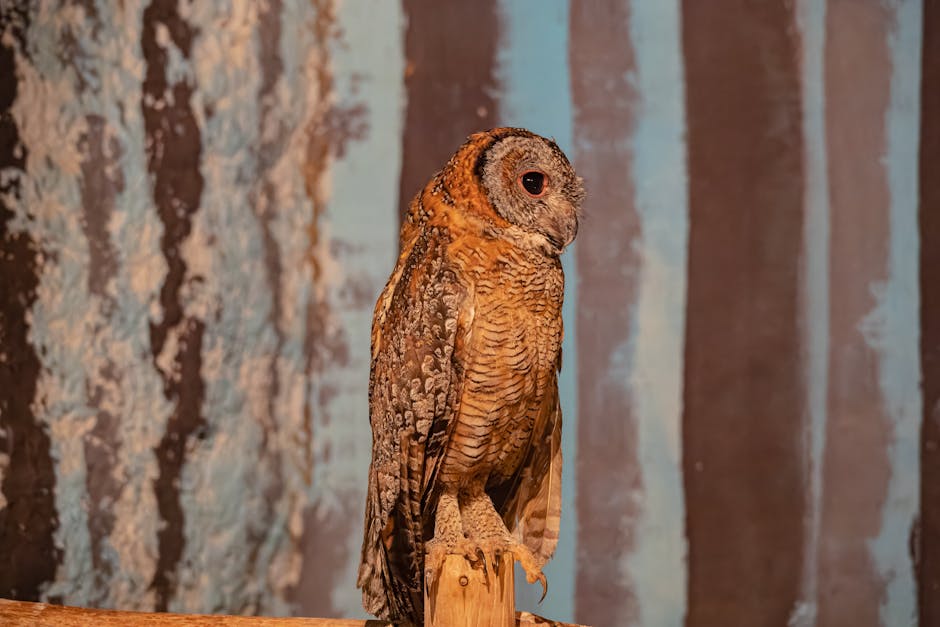
Mastering the Dark: Productivity for the Modern Night Owl
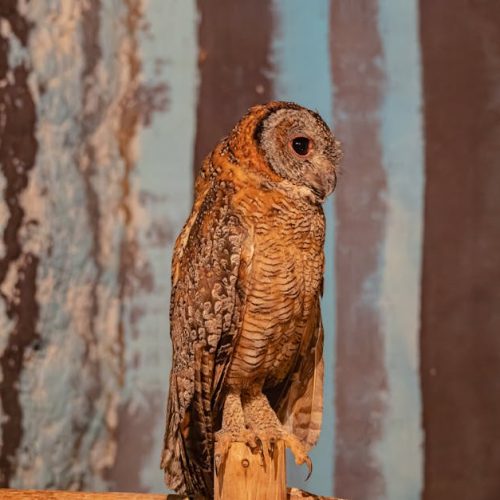
Are you tired of being known as the ‘night owl’ who never gets anything done on time?
The struggle is real: between 40% to 50% of the population identifies as night owls, and many struggle with procrastination, leading to lost productivity and increased stress. In a world built for the 9-to-5 « Early Bird, » the nocturnal worker often feels left behind or characterized as lazy.
However, being a night owl is not a flaw—it is a biological chronotype. By understanding how your brain functions after dark, you can turn your late-night bursts of energy into a competitive advantage. Discover the top 7 productivity hacks tailored specifically for night owls and procrastinators to transform your work habits in 2026.
Understanding Your Night Owl Productivity Pattern
As a night owl, you’re likely most productive when the rest of the world is winding down. However, to maximize your productivity, it’s essential to understand your unique productivity pattern. In this section, we’ll explore how to identify your most productive hours and leverage your natural energy peaks to get the most out of your work.
Identifying Your Most Productive Hours
Your most productive hours are the times when you’re most focused, creative, and energized. To identify these hours, you’ll need to track your energy levels, focus, and productivity over a period of time. Here’s a step-by-step guide to help you do so:
Start by keeping a productivity journal or using a time-tracking app to log your activities, energy levels, and focus throughout the day. For at least two weeks, record the following information:
- The time of day: Note exactly when you start and stop tasks.
- The tasks you’re working on: Are they creative, administrative, or analytical?
- Your energy levels: Rank from 1 to 10 (High, Medium, or Low).
- Your focus levels: Note how easily you are distracted.
- Your productivity levels: Measure actual output versus time spent.
Once you’ve collected enough data, review your journal or app to identify patterns. Ask yourself: What times of the day do I have the most energy? When am I most focused? What tasks do I accomplish during my most productive periods? Are there any specific times of the day when I feel drained or unfocused?
By analyzing your data, you’ll be able to pinpoint your most productive hours. For night owls, this is often between 8 pm and 2 am. However, it’s essential to remember that everyone’s productivity pattern is unique, so don’t be afraid to experiment and adjust your schedule accordingly.
Leveraging Your Natural Energy Peaks
Once you’ve identified your most productive hours, it’s time to leverage your natural energy peaks to maximize your productivity. Here are some actionable tips to help you do so:
- Schedule your most important tasks (MITs) during your most productive hours: If you’re most focused and energized between 10 pm and 1 am, schedule your most critical tasks during this time. This could be writing, coding, designing, or any other task that requires your undivided attention.
- Break down large tasks into smaller, manageable chunks: Night owls often have a tendency to procrastinate, so breaking down large tasks into smaller ones can make them feel less overwhelming. This will also help you make the most of your productive hours.
- Use your energy peaks to tackle creative tasks: If you’re a creative night owl, use your energy peaks to tackle tasks that require imagination and innovation. This could be brainstorming, mind mapping, or free writing.
- Avoid distractions during your productive hours: To maximize your productivity, eliminate distractions during your most productive hours. Turn off notifications, log out of social media, and find a quiet workspace.
- Use productivity tools to stay on track: Utilize tools like the Pomodoro timer, Todoist, or RescueTime to stay focused and on track. These tools can help you avoid procrastination and stay organized.
- Take breaks to recharge: While it’s essential to make the most of your productive hours, it’s equally important to take breaks. Use your breaks to do something relaxing, like reading, meditating, or taking a warm bath.
By understanding your night owl productivity pattern and leveraging your natural energy peaks, you’ll be able to maximize your productivity, achieve your goals, and make the most of your unique work style. Remember to be flexible and adjust your approach as needed.
📌 Related to this topic:
Debunking Common Productivity Myths for Night Owls
As a night owl, you’ve likely been told that you’re not living up to your full potential because you’re not an early riser. However, the idea that waking up early is the key to productivity is just one of many myths that can hinder your ability to get things done. In this section, we’ll explore the truth behind these misconceptions.
Why ‘Wake Up Early’ Doesn’t Work for Everyone
The notion that waking up early is essential for productivity has been perpetuated by numerous self-help gurus. However, this one-size-fits-all approach neglects the fact that people have different chronotypes, or natural sleep-wake cycles. Forcing yourself to wake up early can be counterproductive for a true night owl.
Research has shown that attempting to wake up early can lead to sleep deprivation and negative impacts on mental health. For night owls, forcing an early start can lead to:
- Reduced alertness and focus during the morning hours.
- Increased stress and anxiety due to the pressure of adhering to an unnatural schedule.
- Poor time management, as night owls may struggle to adjust to a morning routine.
The Truth About Multitasking and Productivity
Another common myth is that multitasking is an effective way to get more done. Research shows multitasking can actually decrease productivity by 40%. When you multitask, you’re rapidly switching between tasks, which leads to decreased focus, increased errors, and reduced creativity.
7 Proven Productivity Hacks for Night Owls and Procrastinators
Hack #1: The 2-Minute Rule for Immediate Action
The 2-Minute Rule states that if a task can be done in less than 2 minutes, do it immediately. This prevents small tasks from piling up and creating a sense of overwhelm. By completing small tasks immediately, you build momentum for larger projects.
Hack #2: Breaking Down Tasks into Micro-Tasks
Large tasks are the enemies of procrastinators. Break every project down into « micro-tasks »—steps so small they feel impossible to fail. Instead of « Write Report, » use « Open Word Document » and « Write Intro Sentence. »
Hack #3: Using the ‘Stop Doing’ List to Reduce Stress
Most people have a To-Do list, but a « Stop Doing » list is just as important. Identify habits that drain your time, such as checking emails every 5 minutes or scrolling social media before bed, and consciously commit to stopping them.
Hack #4: Implementing the ‘Night Owl’ Schedule
Own your schedule. If your job allows, shift your working hours to start later and end later. Aligning your professional responsibilities with your biological clock ensures you are working with your brain, not against it.
Hack #5: Leveraging Technology for Time Management
Utilize tools like Asana for project management, Toggl for time tracking, and Focus@Will for background music scientifically designed to improve concentration. Technology should be a bridge to focus, not a distraction.
Hack #6: The ‘5-S’ System for a Clutter-Free Workspace
A cluttered desk leads to a cluttered mind. Use the 5-S system: Sort (remove junk), Set in order (organize), Shine (clean), Standardize (create a system), and Sustain (keep it up).
Hack #7: Creating an ‘Accountability Partner’ System
Find a fellow night owl or a colleague and check in daily or weekly. Knowing someone is watching your progress provides the external pressure many procrastinators need to stay on track.
Frequently Asked Questions About Productivity for Night Owls
Q: Are Night Owls Less Productive Than Early Risers?
No. Productivity is about output, not the time of day the output is produced. A study in Chronobiology International found that night owls often perform better in tasks requiring creativity and long-term focus compared to their early-rising counterparts.
Q: How Can I Avoid Procrastination as a Night Owl?
The key is to minimize « decision fatigue » during the day so that when your energy peak hits at night, you can dive straight into work without wondering what to do first. Use the 2-Minute Rule and the Pomodoro Technique to maintain a steady flow.
Conclusion
Being a night owl in a morning person’s world isn’t easy, but it is a superpower if managed correctly. By embracing your natural rhythms and utilizing these seven hacks, you can stop fighting your nature and start achieving your goals. Start implementing these 7 productivity hacks today and watch your productivity soar in 2026!
📌 Found this helpful? Pin it for later!
Save this guide to your Pinterest board so you never lose these strategies.