
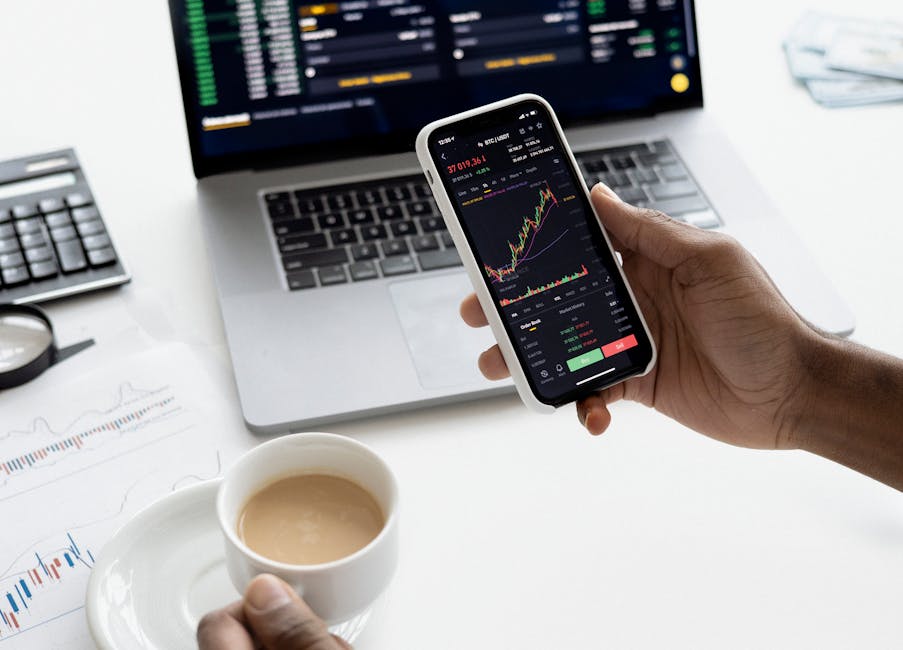
Mastering the Markets: The Best AI Tools for Stock Trading Analysis
Welcome. In the rapidly evolving landscape of modern finance, the integration of Artificial Intelligence (AI) has shifted from a luxury to a necessity. Whether you are a seasoned day trader or a long-term investor, leveraging machine learning algorithms can provide the competitive edge needed to navigate volatile markets with precision and confidence.
Overview: The AI Revolution in Trading
Artificial Intelligence in stock trading involves the use of sophisticated algorithms to analyze vast amounts of historical and real-time data. Unlike human traders, AI systems can process millions of data points across global markets in milliseconds, identifying correlations and patterns that are invisible to the naked eye.
The primary goal of using AI tools is to minimize human emotional bias—such as fear and greed—and replace it with data-driven decision-making. Today’s top-tier tools utilize natural language processing (NLP) to read news sentiment, deep learning to predict price movements, and neural networks to optimize portfolio diversification. By automating the heavy lifting of technical and fundamental analysis, traders can focus on high-level strategy and risk management.
📌 Related to this topic:
Key Strategies for AI-Enhanced Analysis
To successfully integrate AI into your trading workflow, consider implementing the following core strategies:
- Predictive Analytics and Trend Forecasting: Utilize machine learning models to analyze historical price action and volume. Tools like Tickeron or TrendSpider use automated trendline detection to predict potential breakouts or reversals before they happen.
- Sentiment Analysis: AI tools can scan social media platforms like X (Twitter), Reddit, and financial news outlets to gauge the « mood » of the market. If an AI detects a sudden surge in positive sentiment for a specific ticker, it may signal an upcoming bullish run.
- Automated Pattern Recognition: AI excels at identifying complex chart patterns such as « Head and Shoulders, » « Cup and Handle, » or « Double Bottoms » across hundreds of stocks simultaneously, saving hours of manual charting.
- High-Frequency Data Processing: For day traders, AI provides the ability to monitor Level 2 data and order flows, helping to identify where « big money » or institutional buyers are placing their bets.
Pro Tips for Using Trading AI Effectively
While AI is a powerful ally, it is not a « get rich quick » button. To maximize your success, follow these professional tips:
- Always Backtest Your Models: Before risking real capital, use your AI tool’s backtesting feature to see how its suggestions would have performed in historical market conditions.
- Maintain Human Oversight: AI can struggle with « Black Swan » events or unprecedented geopolitical shifts. Always overlay AI suggestions with your own understanding of global macroeconomics.
- Focus on Data Quality: An AI is only as good as the data it consumes. Ensure your tools are connected to high-quality, low-latency data feeds to avoid making decisions based on stale information.
- Diversify Your Toolset: Don’t rely on a single algorithm. Combine tools that focus on different areas, such as using one for technical indicators and another for fundamental company health.
Conclusion
The bridge between retail traders and institutional giants is narrowing, thanks to the accessibility of high-powered AI software. By embracing these technological advancements, you empower yourself to trade smarter, faster, and with greater objectivity. Evolution is the only way to survive in the markets—start now.
📌 Found this helpful? Pin it for later!
Don’t lose these insights! Save this guide to your favorite Pinterest investing board so you can reference these AI strategies whenever you need them.
