
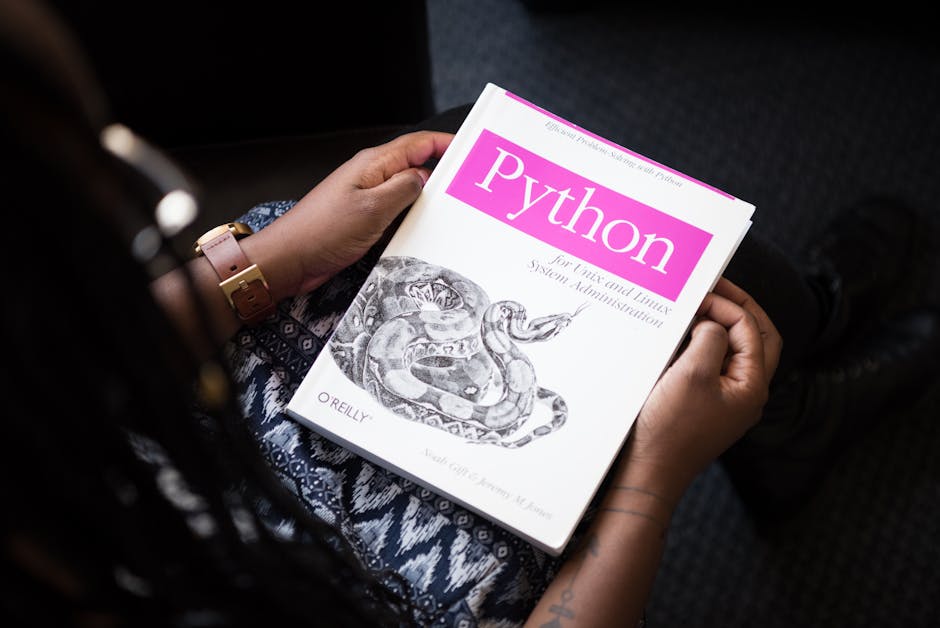
Did you know that the right programming language can increase your salary by up to 30%?
With the tech industry evolving rapidly, choosing the wrong programming language to learn can lead to missed opportunities and lower pay.
In this article, we’ll reveal the top 10 programming languages to learn for high salaries in 2026, helping you make informed decisions about your career.
The Most In-Demand Programming Languages
As we step into 2026, the demand for skilled programmers continues to soar. With technological advancements happening at a rapid pace, companies are looking for professionals who can develop innovative software, maintain complex systems, and drive digital transformation. To stay ahead in the competitive job market, it’s essential to learn the most in-demand programming languages that can fetch high salaries. In this section, we’ll explore the top programming languages that are currently in high demand.
1. Python: The Versatile Powerhouse
Python has been a favorite among developers for years, and its popularity continues to grow. This versatile language is used in various domains, including web development, data science, artificial intelligence, and more. Python’s simplicity, readability, and extensive libraries make it an ideal language for beginners and experienced developers alike.
Some of the key areas where Python is used include:
- Data Science and Analytics: Python is widely used in data analysis, machine learning, and visualization. Libraries like NumPy, pandas, and scikit-learn make it easy to work with data.
- Web Development: Python frameworks like Django and Flask enable developers to build scalable and secure web applications.
- Automation: Python’s simplicity and extensive libraries make it a popular choice for automating tasks, such as data scraping, file management, and system administration.
- Artificial Intelligence and Machine Learning: Python is used in AI and ML applications, including natural language processing, computer vision, and predictive modeling.
To get started with Python, focus on learning its core concepts, such as data structures, file input/output, and object-oriented programming. Online resources like Codecademy, Coursera, and edX offer excellent Python courses. Additionally, practice building projects, such as command-line tools, games, or simple web applications, to reinforce your learning.
2. JavaScript: The Web Development King
JavaScript is the undisputed king of web development, used by over 97% of websites. Its versatility, dynamic nature, and extensive ecosystem make it a must-know language for web developers. JavaScript is used for both front-end and back-end development, allowing developers to create seamless user experiences and scalable server-side applications.
Some of the key areas where JavaScript is used include:
- Front-end Development: JavaScript is used to create interactive client-side functionality, including dynamic UI components, animations, and responsive design.
- Back-end Development: Node.js enables developers to build scalable server-side applications using JavaScript, making it a popular choice for real-time web applications.
- Mobile and Desktop Applications: JavaScript frameworks like React Native and Electron allow developers to build cross-platform mobile and desktop applications.
- Progressive Web Apps: JavaScript is used to create PWAs, which provide a native app-like experience to users.
To become proficient in JavaScript, start by learning its basics, such as variables, data types, functions, and DOM manipulation. Online resources like FreeCodeCamp, W3Schools, and Mozilla Developer Network offer excellent JavaScript tutorials. Practice building projects, such as interactive web pages, games, or simple web applications, to reinforce your learning. Additionally, explore popular JavaScript frameworks like React, Angular, and Vue.js to stay up-to-date with industry trends.
By mastering Python and JavaScript, you’ll be well on your way to securing high-paying jobs in the programming industry. These languages are in high demand, and their versatility makes them valuable assets in a rapidly changing tech landscape.
To further enhance your skills, consider the following actionable tips:
- Join online communities, such as GitHub, Stack Overflow, or Reddit, to connect with other developers and stay updated on industry trends.
- Participate in coding challenges and hackathons to practice your skills and showcase your abilities.
- Build personal projects that integrate multiple programming languages and technologies to demonstrate your versatility.
- Network with professionals in your desired field to learn about new opportunities and best practices.
By following these tips and focusing on in-demand programming languages like Python and JavaScript, you’ll be well-equipped to succeed in the competitive world of programming and secure high-paying jobs in 2026.
Debunking Common Myths: What You Don’t Need to Learn
As we explore the top programming languages to learn for high salaries in 2026, it’s equally important to debunk common myths surrounding the skills you don’t need to acquire. With the ever-evolving landscape of technology, certain programming languages have become less relevant, and it’s crucial to focus on the ones that will drive your career forward.
Why You Can Skip Learning Legacy Languages
Legacy languages, such as COBOL, Pascal, and Fortran, were once the backbone of the programming world. However, with the advent of newer, more efficient languages, their popularity has waned. While there are still some niche industries that rely on these languages, the demand is dwindling, and it’s no longer a priority to learn them for a high-paying career in tech.
Here are a few reasons why you can skip learning legacy languages:
- Limited job opportunities: The job market for legacy languages is shrinking, and the available positions often require maintenance and updates rather than new development.
- Lack of community support: Legacy languages often have limited community support, making it harder to find resources, libraries, and frameworks to aid in development.
- Inefficient development: Legacy languages are often less efficient and more cumbersome to work with compared to modern alternatives, making them less desirable for new projects.
- Outdated skills: Investing time in learning legacy languages may not translate to the skills required for modern software development, potentially hindering your career advancement.
Some specific legacy languages you can skip learning include:
- COBOL: Although still used in some mainframe environments, COBOL is no longer a primary skill for most developers.
- Pascal: Once popular for educational purposes, Pascal has largely been replaced by more modern languages like Python and Java.
- Fortran: While still used in some scientific and numerical computing applications, Fortran is no longer a dominant force in the industry.
Instead of investing time in legacy languages, focus on acquiring skills in the top programming languages for 2026, such as:
- JavaScript: With its ubiquity in web development and the rise of Node.js, JavaScript remains a highly sought-after skill.
- Python: Python’s versatility, simplicity, and extensive libraries make it an ideal language for data science, machine learning, and automation.
- Java: Java’s platform independence and vast ecosystem ensure its continued relevance in enterprise software development.
Actionable Tips for Focusing on Relevant Skills
- Stay up-to-date with industry trends: Regularly research the latest developments and emerging technologies to ensure you’re focusing on the most relevant skills.
- Assess job market demand: Analyze job postings and industry reports to determine the most in-demand skills and programming languages.
- Invest in transferable skills: Focus on acquiring skills that are transferable across multiple programming languages and technologies, such as problem-solving, data structures, and algorithms.
- Join online communities: Participate in online forums, such as GitHub, Stack Overflow, and Reddit, to stay informed about the latest developments and best practices.
By avoiding legacy languages and focusing on the top programming languages for 2026, you’ll be well-positioned for a high-paying career in tech. Remember to stay adaptable, continuously update your skills, and prioritize the most relevant technologies to drive your success.
By following these guidelines, you’ll be able to navigate the complex landscape of programming languages and make informed decisions about your career. The key is to stay focused on the skills that matter most and avoid investing time in legacy languages that no longer drive career advancement.
Step-by-Step Guide to Learning the Top 10 Languages
Now that we’ve identified the top 10 programming languages to learn for high salaries in 2026, it’s time to create a roadmap for acquiring these in-demand skills. In this section, we’ll walk you through a step-by-step guide on how to learn these languages, including creating a personalized learning plan and leveraging online resources and communities.
Create a Personalized Learning Plan
Before diving into the world of programming, it’s essential to create a tailored learning plan that suits your needs, schedule, and goals. Here’s how to get started:
To create a personalized learning plan, follow these steps:
- Set clear goals: Identify why you want to learn the top 10 programming languages. Are you looking to switch careers, or do you want to enhance your existing skills? Having specific goals in mind will help you stay motivated throughout your learning journey.
- Assess your current level: Evaluate your current programming skills, if any. This will help you determine where to start and what resources to use.
- Choose the languages to focus on: Based on the top 10 languages we’ve identified, select the ones that align with your goals and interests. You may want to prioritize the most in-demand languages or those that are closely related to your current skill set.
- Create a learning schedule: Plan out a realistic schedule that fits your lifestyle. Allocate specific timeslots for learning, practicing, and reviewing material. Consistency is key when it comes to programming.
- Track your progress: Use a journal, spreadsheet, or project management tool to track your progress. This will help you stay organized and motivated.
By following these steps, you’ll be able to create a personalized learning plan that suits your needs and helps you achieve your goals.
Leverage Online Resources and Communities
The internet is filled with a vast array of online resources and communities that can help you learn the top 10 programming languages. Here are some of the most valuable ones to leverage:
- Online Courses: Websites like Udemy, Coursera, edX, and Codecademy offer a wide range of courses on programming languages. Look for courses that are regularly updated and have good reviews.
- Tutorials and Guides: Websites like FreeCodeCamp, W3Schools, and GeeksforGeeks provide in-depth tutorials and guides on various programming languages.
- Online Communities: Join online forums like Reddit’s r/learnprogramming, Stack Overflow, and GitHub to connect with other programmers, get help with problems, and stay updated on industry trends.
- Blogs and Podcasts: Follow industry blogs and podcasts to stay informed about the latest developments and best practices in programming.
- Open-Source Projects: Participate in open-source projects on GitHub or other platforms to gain hands-on experience and build your portfolio.
Some popular online resources for learning the top 10 programming languages include:
- Python: Codecademy’s Python Course, Python.org
- JavaScript: FreeCodeCamp’s JavaScript Challenges, W3Schools’ JavaScript Tutorial
- Java: Udemy’s Java Course, Oracle’s Java Tutorials
- C++: Coursera’s C++ Specialization, GeeksforGeeks’ C++ Tutorial
- C#: Microsoft’s C# Documentation, Udemy’s C# Course
By leveraging these online resources and communities, you’ll be able to accelerate your learning, stay up-to-date with industry trends, and connect with other programmers.
Putting it All Together
To successfully learn the top 10 programming languages, it’s essential to combine a personalized learning plan with online resources and communities. Here’s a summary of the steps to follow:
- Create a personalized learning plan that suits your needs and goals.
- Leverage online resources, including courses, tutorials, guides, and communities.
- Practice consistently and review material regularly.
- Join online communities and participate in open-source projects to gain hands-on experience.
- Stay motivated by tracking your progress and celebrating your achievements.
By following this step-by-step guide, you’ll be well on your way to acquiring the skills needed to succeed in the programming industry and earning high salaries in 2026.
Frequently Asked Questions About Programming Languages and Salaries
As we explore the top programming languages to learn for high salaries in 2026, several questions arise. In this section, we’ll address some of the most frequently asked questions about programming languages and salaries, providing you with a comprehensive understanding of the industry.
What’s the Average Salary for a Python Developer?
Python has become a highly sought-after skill in the tech industry, and its developers are well-compensated. According to various sources, including the Bureau of Labor Statistics and online job postings, the average salary for a Python developer in the United States is around $115,000 per year.
However, salaries can vary widely depending on factors such as:
- Location: Cities with a high cost of living, like San Francisco or New York, tend to offer higher salaries.
- Level of experience: More experienced developers can command higher salaries, with some senior Python developers earning over $200,000 per year.
- Industry: Python is used in various industries, including finance, healthcare, and technology. Salaries can vary depending on the specific industry and company.
To give you a better idea, here are some average salary ranges for Python developers in different cities:
- San Francisco, CA: $140,000 – $250,000 per year
- New York, NY: $120,000 – $220,000 per year
- Seattle, WA: $110,000 – $200,000 per year
- Austin, TX: $90,000 – $170,000 per year
To maximize your salary as a Python developer, focus on:
- Developing a strong portfolio of projects that showcase your skills.
- Staying up-to-date with the latest Python libraries and frameworks.
- Building a network of professionals in the industry.
- Considering certifications or advanced degrees to demonstrate your expertise.
How Do I Choose the Right Programming Language for My Career Goals?
With so many programming languages to choose from, selecting the right one for your career goals can be challenging. Here are some steps to help you make an informed decision:
- Identify your career goals: Are you interested in web development, mobile app development, or data science?
- Research the job market: Look at job postings and industry reports to determine which programming languages are in demand.
- Consider your interests: Choose a language that aligns with your interests and skills.
- Evaluate the language’s versatility: Some languages, like JavaScript, can be used for both front-end and back-end development.
- Look at the language’s community: A language with an active community and extensive resources can be beneficial for learning and staying up-to-date.
Some of the most in-demand programming languages in 2026 include:
- JavaScript
- Python
- Java
- C++
- C#
By considering these factors and staying informed about industry trends, you can make an informed decision about which programming language to learn for a high-paying career.
Can I Switch to a Different Programming Language Later in My Career?
Yes, it’s possible to switch to a different programming language later in your career. Many developers start with one language and then move to another as their career goals evolve.
To make a successful transition:
- Identify the skills you can transfer: Many programming concepts, suchs as data structures and algorithms, are transferable across languages.
- Learn the new language: Take online courses, attend workshops, or participate in coding challenges to learn the new language.
- Network with professionals: Connect with developers who are already working with the language you’re interested in.
- Highlight your transferable skills: When applying for jobs or pitching to clients, emphasize the skills you’ve developed in your previous language that are relevant to the new language.
Some examples of programming languages that are relatively easy to transition to include:
- From Python to Ruby or PHP
- From Java to C# or Kotlin
- From JavaScript to TypeScript or Dart
By being proactive and staying adaptable, you can successfully transition to a new programming language and continue to advance your career.
What Are the Key Skills Required for High-Paying Programming Jobs?
To land a high-paying programming job, you’ll need to possess a combination of technical and soft skills. Some of the key skills required include:
- Proficiency in one or more programming languages
- Strong understanding of data structures and algorithms
- Experience with relevant frameworks and libraries
- Knowledge of database management systems
- Understanding of cloud computing platforms
- Excellent problem-solving skills
- Strong communication and teamwork skills
To develop these skills, focus on:
- Building a strong foundation in computer science fundamentals
- Staying up-to-date with industry trends and emerging technologies
- Participating in coding challenges and hackathons
- Collaborating with other developers on projects
- Continuously learning and improving your skills
By possessing the right combination of technical and soft skills, you’ll be well-positioned to land a high-paying programming job and advance your career.
Conclusion
Start learning one of these in-demand programming languages today and boost your salary potential in 2026.
